Geometry of Space

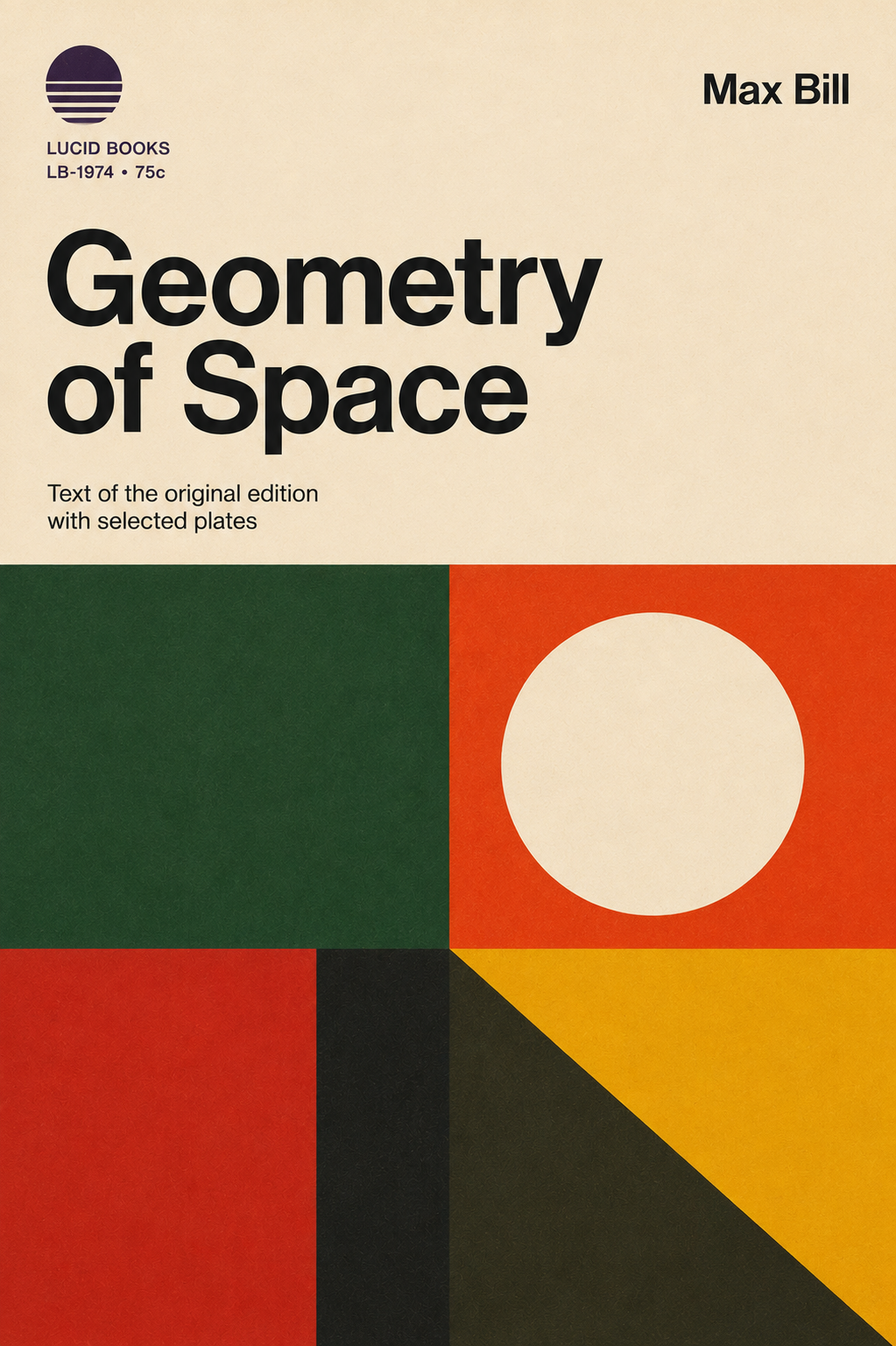
Space is not simply the distance between objects. It is a field of relationships, defined by proportion, direction, rhythm, and movement. Every form occupies a position, but its meaning changes according to the forms that surround it.
Geometry gives structure to these relationships. A circle can suggest continuity, a square can establish stability, and a line can create movement across an otherwise silent surface. When these elements are arranged with intention, space becomes an active part of the composition.
The study of geometry begins with simple forms but leads toward complex ideas. Repetition creates rhythm, contrast creates tension, and balance allows opposing elements to exist together without losing their individual character.
Modern visual design often depends on this interaction between form and space. Color, scale, proportion, and alignment can transform an ordinary arrangement into a coherent visual system. The designer's task is not merely to decorate a surface, but to discover the underlying order within it.
Geometry therefore becomes more than a mathematical language. It becomes a way of observing the world—recognizing patterns, understanding relationships, and finding structure within apparent randomness.